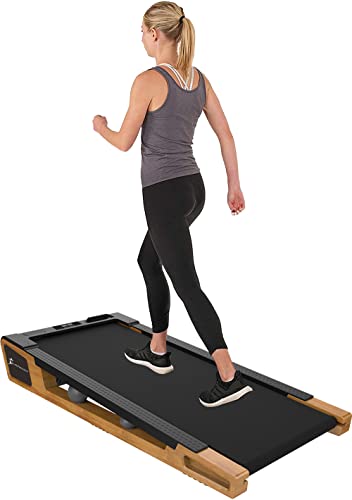
Non-Folding Treadmills: The Ultimate Guide for Fitness Enthusiasts
As home fitness continues to acquire traction, lots of people are seeking devices that meets their needs without compromising quality or efficiency. One key player in this arena is the non-folding treadmill. Unlike folding treadmills, which are developed for density and mobility, non-folding treadmills are typically more robust, providing enhanced durability and machine performance. This guide will check out the functions, advantages, constraints, and options offered for non-folding treadmills.
What is a Non-Folding Treadmill?
A non-folding treadmill is a fixed workout machine that does not have the ability to fold its deck for storage. Specifically developed to be a permanent component in physical fitness areas, these treadmills typically have a bigger footprint, permitting a host of comfy features fit for major runners and gym-goers.
Benefits of Non-Folding Treadmills
- Stability and Durability: Non-folding treadmills normally have a tougher building and construction, offering them improved stability during high-intensity exercises. They are constructed to deal with varied user weights and running speeds, which can extend their life-span.
- Advanced Features: Many non-folding designs come geared up with innovative technological features, such as clever display systems, automated incline adjustments, and pre-set exercise programs, which accommodate major fitness enthusiasts.
- Larger Running Surface: These treadmills frequently offer a larger and longer running location, which can be particularly beneficial for runners who prefer to train at greater speeds or for those with longer strides.
- Better Motor Performance: Non-folding treadmills usually have more effective motors compared to their folding equivalents, enabling better performance during intense running sessions.
Drawbacks of Non-Folding Treadmills
- Space Requirements: Since they do not fold, non-folding treadmills require more room in your house or fitness center. If space is a constraint, this might be a crucial consideration.
- Lack of Portability: These machines can be cumbersome to move. It is challenging to move a non-folding treadmill compared to a folding one, which may be a downside for those who move often or reorganize home fitness center layouts often.
- Price: Non-folding treadmills are typically more expensive than folding treadmills, primarily due to their sophisticated functions and long lasting develop.
Secret Features to Consider
When searching for the right non-folding treadmill, several features need to be thought about to guarantee you make an informed decision:
| Feature | Significance |
|---|---|
| Motor Power | Try to find a motor of a minimum of 2.5 CHP for strong performance. |
| Belt Size | A belt width of 20 inches or larger is perfect for convenience and security. |
| Incline Range | An incline of 10% to 15% offers more workout variety. |
| Technology Integration | Consider designs with Bluetooth abilities, exercise apps, and heart rate tracking. |
| Guarantee | A robust service warranty (at least 10 years for the frame and motor) suggests resilience. |
Top Non-Folding Treadmills on the Market
Here is an extensive overview of a few of the leading non-folding treadmills currently readily available:
| Treadmill Model | Motor Power (CHP) | Running Surface (inches) | Incline (%) | Price Range (GBP) | Warranty |
|---|---|---|---|---|---|
| NordicTrack Commercial 1750 | 3.75 | 22 x 60 | 15 | ₤ 1,799 - ₤ 2,199 | 10-Year Frame, 2-Year Parts |
| Sole F85 | 3.5 | 22 x 60 | 15 | ₤ 1,699 - ₤ 2,099 | Lifetime Frame, 5-Year Parts |
| Life expectancy TR3000i | 2.5 | 20 x 56 | 15 | ₤ 999 - ₤ 1,299 | Life Time Frame, 5-Year Parts |
| ProForm Pro9000 | 3.0 | 22 x 60 | 15 | ₤ 1,499 - ₤ 2,299 | Life Time Frame, 2-Year Parts |
| Horizon Treadmill 7.0 AT | 3.0 | 20 x 60 | 12 | ₤ 899 - ₤ 1,099 | Lifetime Frame, 1-Year Parts |
Frequently Asked Questions About Non-Folding Treadmills
1. Are non-folding treadmills better than folding ones? Walking Pad Non Electric -folding treadmills usually offer better stability, sturdiness, and more innovative features. This makes them perfect for major runners, but it eventually depends on individual requirements and readily available area.
2. Can a non-folding treadmill be used for walking?Yes! Non-folding treadmills are not limited to running; they can likewise be ideal for walking and can accommodate a wide variety of fitness levels. 3. Just how much space do I require for a non-folding treadmill?It is advised to have a devoted location determining a minimum of 7 feet long and 3 feet large around the treadmill for safe usage. 4. Is it possible to transfer a non-folding treadmill?While it can be done, it might need extra effort as they are normally heavierand bulkier than folding models. 5. What's the average lifespan
of a non-folding treadmill?With routine maintenance and correct use, non-folding treadmills can last between 10 and 15 years or more.
Non-folding treadmills represent a substantial investment
for those severe about maintaining or enhancing their health and fitness. With their focus on toughness, stability,
and boosted features, they cater to users striving for performance and durability. Picking the best design includes thoroughly considering your workout practices, space schedule, and budget. By understanding the characteristics that make non-folding treadmills an exceptional option, people can make informed decisions that will boost their home physical fitness experience. Whether it's for walking, running, or high-intensity training, the right non-folding treadmill can be a substantial ally in accomplishing fitness goals.